
What Maui Property Owners Need to Know About Stormwater Drain Management Regulations
Stormwater drain management regulations in Maui, HI, carry real consequences for commercial property owners. Maui's heavy tropical rainfall, porous volcanic soil, and coral reef proximity make it one of the most environmentally sensitive places in the nation to manage runoff. This article breaks down how the regulatory framework works, what Best Management Practices (BMPs) require of your property, and how to stay audit-ready year-round.
How Maui's Stormwater Regulations Work
Stormwater drain management in Maui, HI, is governed by a layered system of federal, state, and county rules. The Clean Water Act and the National Pollutant Discharge Elimination System (NPDES) program set baseline standards for commercial discharge reaching surface water. In Hawaii, the NPDES program is administered by the state Department of Health, Clean Water Branch.
At the county level, Maui has adopted an ordinance under the Kahului-Pa'ia Stormwater Management Plan (SWMP), designed to reduce pollutants from the Municipal Separate Storm Sewer System (MS4) to the maximum extent practicable. This matters because the county's drainage network empties directly into streams and the ocean with no treatment in between.
What Are BMPs and Who Needs Them?
BMPs are the practical tools that keep pollutants out of your drain system. They are required for a wide range of commercial properties in Maui County, HI, including shopping centers, office parks, hospitals, and schools.
Required BMPs typically include:
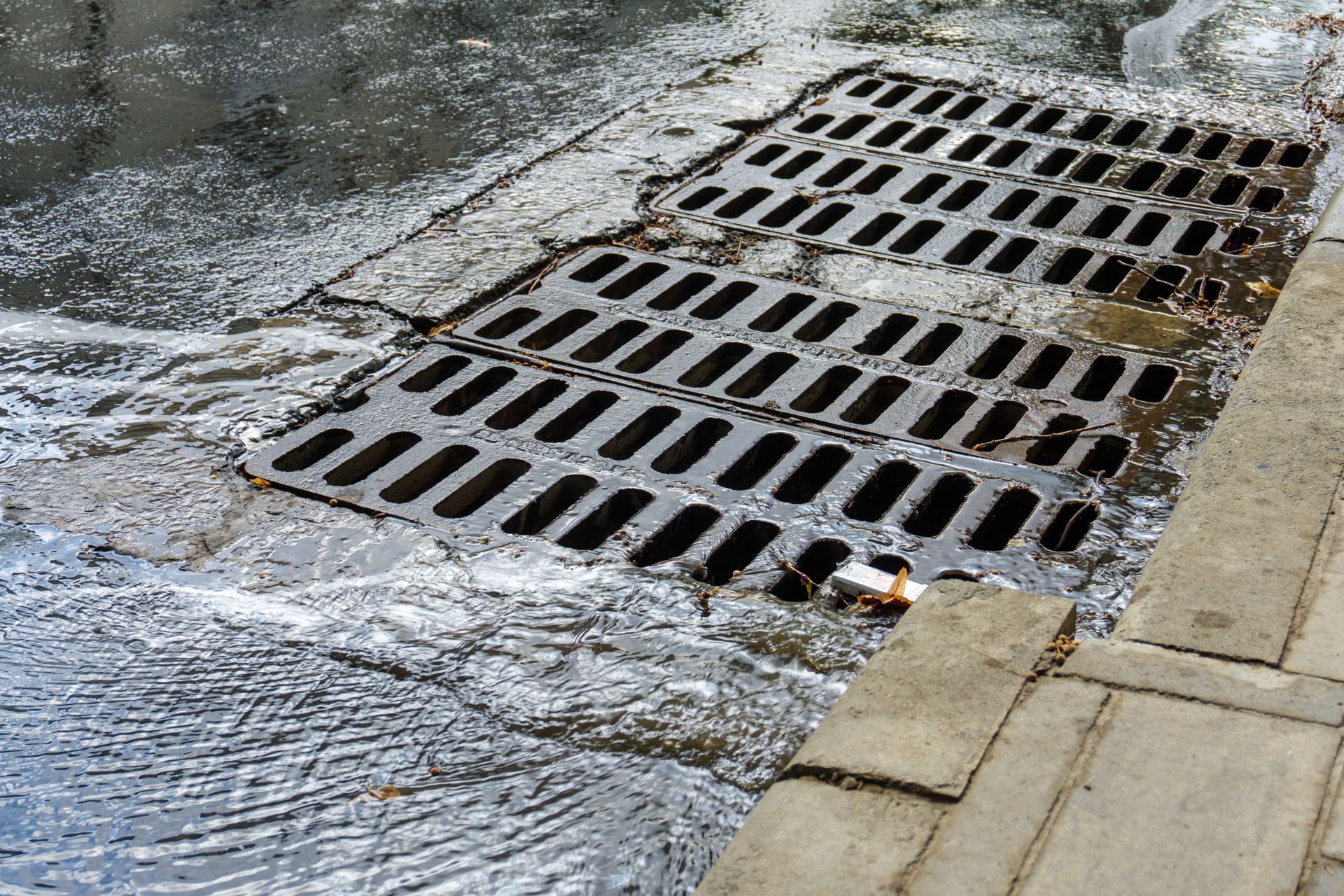
- Scheduled inspection and cleaning of on-site storm drain inlets and catch basins.
- Maintenance of filtration devices and water quality treatment systems at drain entry points.
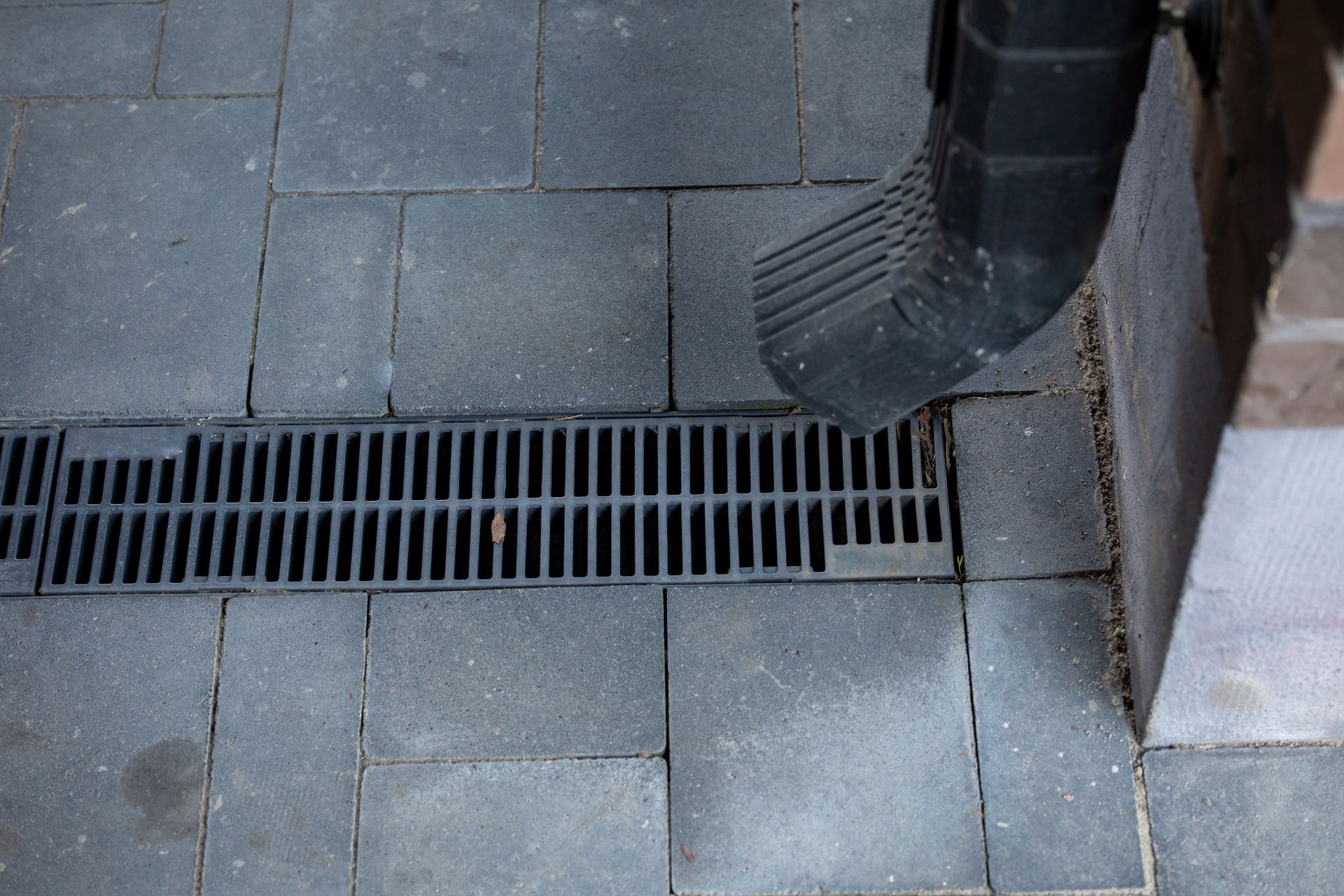
- Preventing untreated runoff from paved surfaces and roof drains from entering the county drain system.
- Documenting maintenance activities to demonstrate compliance during county audits.
Failing to follow required BMPs can result in notices of violation and financial penalties under both state and county authority. Facilities without a formal NPDES permit can still face enforcement if their runoff contributes to water quality violations.
Why Maui's Geography Raises the Stakes
Maui's environment makes stormwater compliance more urgent than in most mainland markets. The windward side of the island receives some of the highest rainfall totals in the state, and volcanic soil can carry sediment and nutrients rapidly through drains into nearshore waters. Because Maui's coral reefs and marine ecosystems sit so close to shore, pollutants entering the drain system can cause harm within a very short distance from your property line.
What Facilities and Property Managers Should Do Now
Staying ahead of county inspections requires year-round action. Practical steps include:
- Scheduling regular drain inspections before the heavy rainfall season.
- Reviewing installed filtration devices and confirming they meet county BMP standards.
- Keeping written records of all maintenance performed on stormwater infrastructure.
- Identifying and correcting any illicit connections or unplanned discharge points on the property.
Ready to Stay Compliant With Stormwater Drain Management in Maui?
Honolulu-based Enviro Solutions Hawaii proudly serves commercial property owners across Maui, HI, providing stormwater drain management services including drain inspection, cleaning, and filtration device maintenance. Their team helps shopping centers, office parks, hospitals, and schools stay audit-ready before a violation notice arrives. To schedule service or ask about your property's compliance needs, visit the Stormwater Device BMP page or reach out via the Contact page. You can also call (808) 722-5824 or find Enviro Solutions Hawaii on Google to read reviews and get directions.
Recent Posts