Stormwater Management Guide for Maui, HI Businesses
Stormwater management is a critical responsibility for Maui, HI businesses, where island geography, trade wind rains, and fragile nearshore reefs create unique environmental and regulatory pressures. This guide covers what stormwater management involves, which regulations apply to Maui commercial properties, which best management practices support compliance, and how runoff affects the reefs that support the island's economy.
What Is Stormwater Management?
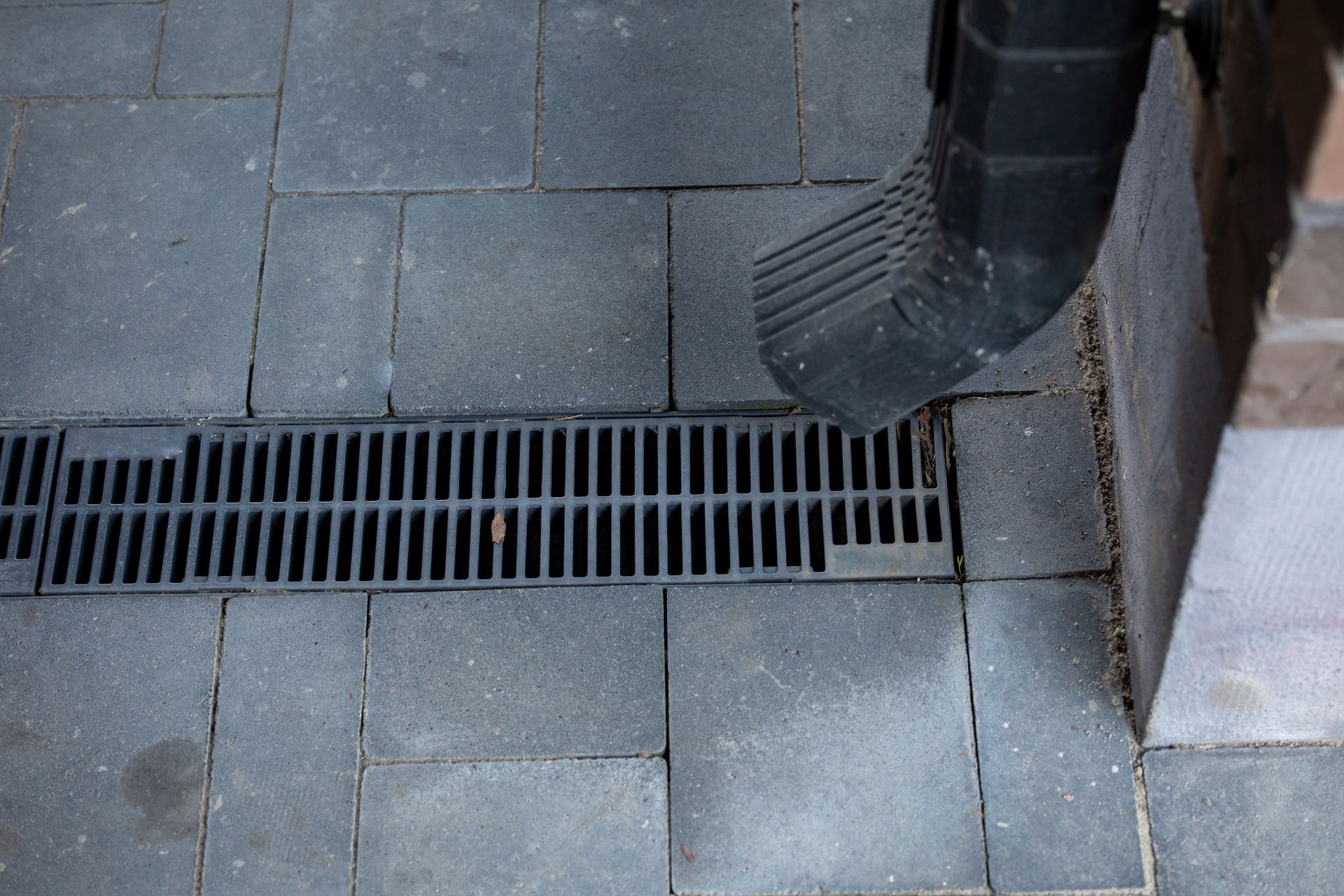
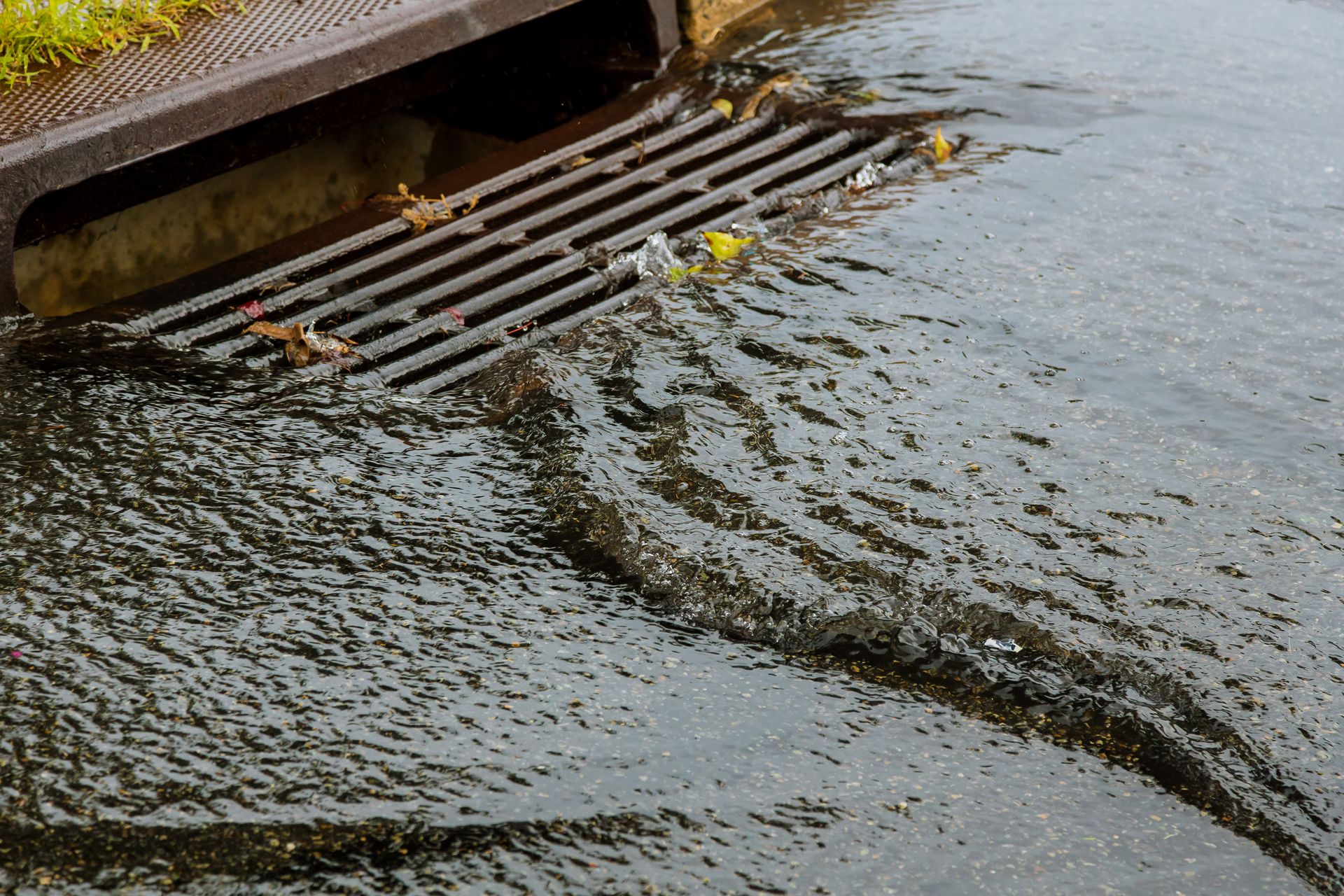
Stormwater management refers to the practices used to control how rainwater flows across developed land before reaching storm drains, streams, and the ocean. On natural landscapes, soil absorbs much of the rain. On commercial properties, water hits rooftops, parking lots, and paved surfaces instead, picking up oil, sediment, and chemicals as it moves.
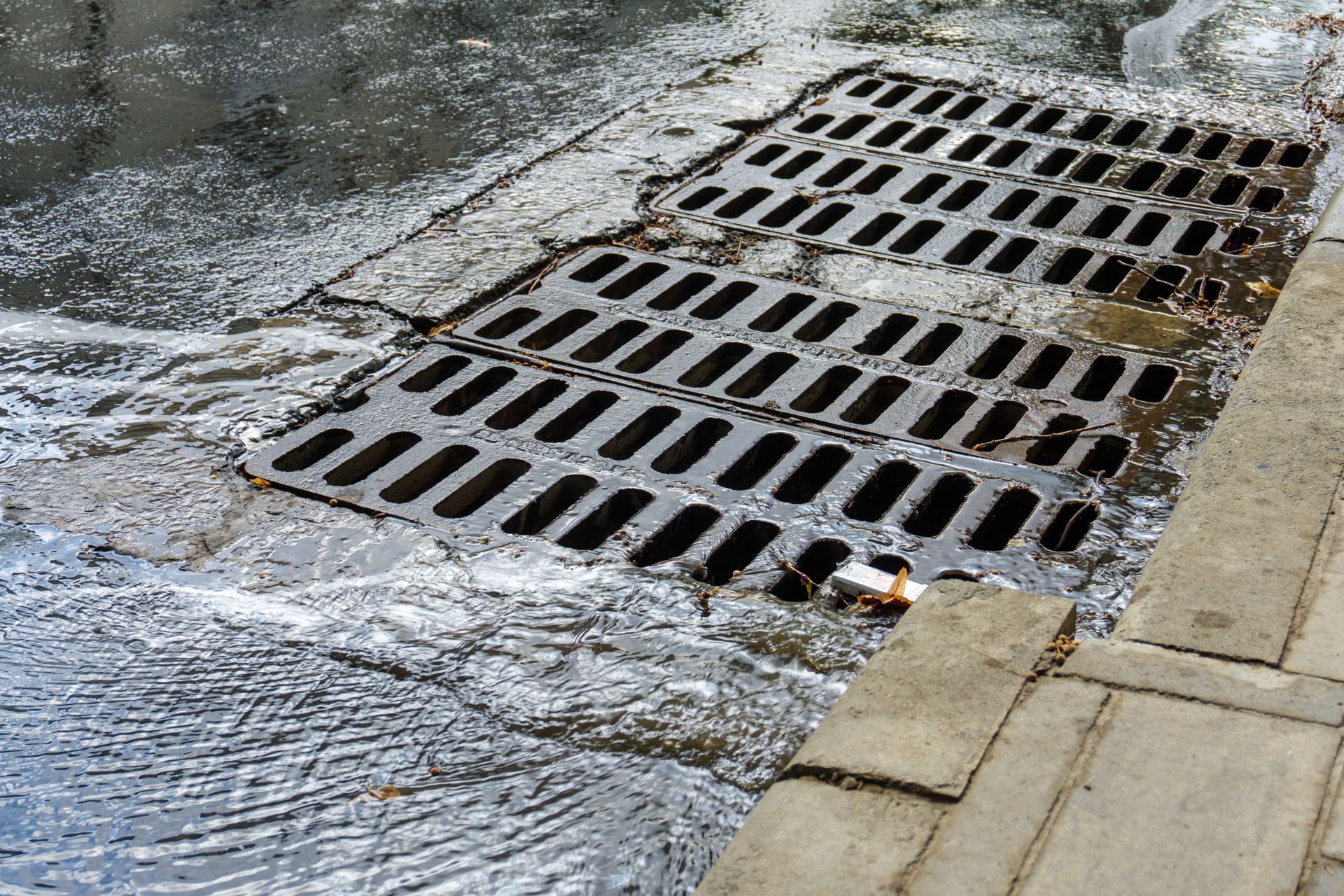
On Maui, the island's topography channels runoff directly toward nearshore marine environments. Urban areas in Central Maui, including Kahului and Wailuku, generate significant surface runoff during trade wind showers and larger storm events. Without proper controls, even routine rain can carry pollution off commercial properties and into receiving waters.
What Are the NPDES Requirements for Maui Businesses?
Maui businesses may be subject to stormwater regulations under the National Pollutant Discharge Elimination System (NPDES), established under the Clean Water Act. In Hawaii, the Department of Health Clean Water Branch (CWB) administers NPDES permit requirements.
The Kahului-Paia urbanized area triggers municipal NPDES permit requirements for stormwater discharge from storm sewer systems. The County is covered under Hawaii Administrative Rule 11-55, Appendix K, which authorizes discharges from Small Municipal Separate Storm Sewer Systems.
Individual businesses may also face requirements. Construction projects disturbing one or more acres must develop and implement a stormwater management plan under NPDES Construction General Permit coverage. Hawaii requires a licensed PE or CPESC to sign the SWPPP, which is unusual among states, and Maui County layers additional controls on top of state requirements.
Violations can carry penalties up to $25,000 per day per occurrence. Businesses uncertain about their permit obligations should contact the Hawaii Department of Health Clean Water Branch directly.
Best Management Practices for Commercial Properties
Best management practices (BMPs) are the tools businesses use to reduce stormwater pollution at the source. A BMP can be structural, like a storm drain filter or sediment trap, or operational, like improving how waste and chemicals are stored.
Common BMPs for Maui commercial properties include installing catch basin inserts to trap sediment, oil, and debris; using absorbents around dumpster areas and vehicle maintenance zones; conducting regular inspections of drain inlets and parking surfaces; pressure washing with wastewater recovery so wash water does not discharge into storm drains; and maintaining inspection and maintenance records as required by permit conditions.
A stormwater management plan identifies potential pollution sources, describes control measures, and establishes inspection schedules. For businesses near Kahului Harbor or in retail and restaurant corridors like Kihei and Lahaina, regular drain maintenance and filter installation can make a meaningful difference in both compliance and environmental outcomes.
How Stormwater Runoff Affects Maui's Reefs and Ocean Health
Maui's nearshore reefs are among the most ecologically and economically significant natural resources in the state. When polluted stormwater flows into the nearshore environment, it harms coral reefs and marine life. Nutrient pollution fuels algae overgrowth that smothers corals and blocks sunlight.
The consequences are well documented. Maui coral reefs off Kihei have been hit hard by rainfall events delivering torrents of mud, and West Maui's Olowalu reef regularly endures storm runoff. Hawaiian nearshore reefs generate about $800 million in annual revenue, not including ecosystem services such as habitat for diverse fish species and coastal storm buffering.
Stormwater pollution also negatively impacts the economy through lost tourism revenue. For Maui businesses that depend on a healthy coastal environment, that connection is direct.
Frequently Asked Questions About Stormwater Management on Maui
Does My Maui Business Need an NPDES Permit?
It depends on your business type, whether your property disturbs land or discharges industrial wastewater, and your location within a regulated urban area. If your facility needs NPDES coverage, you are responsible for applying before any discharge occurs. Consult the Hawaii Department of Health Clean Water Branch or a qualified environmental compliance professional to confirm your obligations.
What Is a Stormwater Pollution Prevention Plan (SWPPP)?
A SWPPP describes how a facility will prevent pollutants from entering Hawaii waters via stormwater runoff. It identifies potential pollution sources, describes control measures (BMPs), and establishes inspection and maintenance schedules. Industrial facilities typically use this term, while construction sites may call it a stormwater management plan.
What BMPs Are Required for Commercial Properties in Maui County?
Required BMPs may include storm drain filters, sediment controls, wastewater containment during pressure washing, and regular inspections. Your specific obligations depend on your permit type, property size, and business activity.
Can Pressure Washing a Parking Lot Cause a Stormwater Violation?
Yes, if wash water flows untreated into storm drains. Commercial pressure washing operations should use wastewater recovery and filtration equipment to capture runoff. This is a common BMP requirement for commercial properties across Maui, HI.
When Should a Maui Business Hire a Professional for Stormwater Services?
Consider professional stormwater services when you lack in-house capacity to inspect and maintain drain infrastructure, when preparing for an NPDES inspection, or when storm drain filters need cleaning, replacement, or initial installation.
Take the Next Step Toward Stormwater Compliance on Maui
Effective stormwater management is a regulatory requirement for many Maui businesses and a direct investment in reef health, water quality, and the island's long-term economy. Businesses that act proactively reduce both compliance risk and environmental impact.
Enviro Solutions Hawaii serves Maui, HI businesses with professional stormwater device BMP services, including storm drain inspection, cleaning, and filter installation. To get started or request a free quote, contact the team today or call (808) 722-5824. You can also find and review Enviro Solutions Hawaii on Google.
Recent Posts